
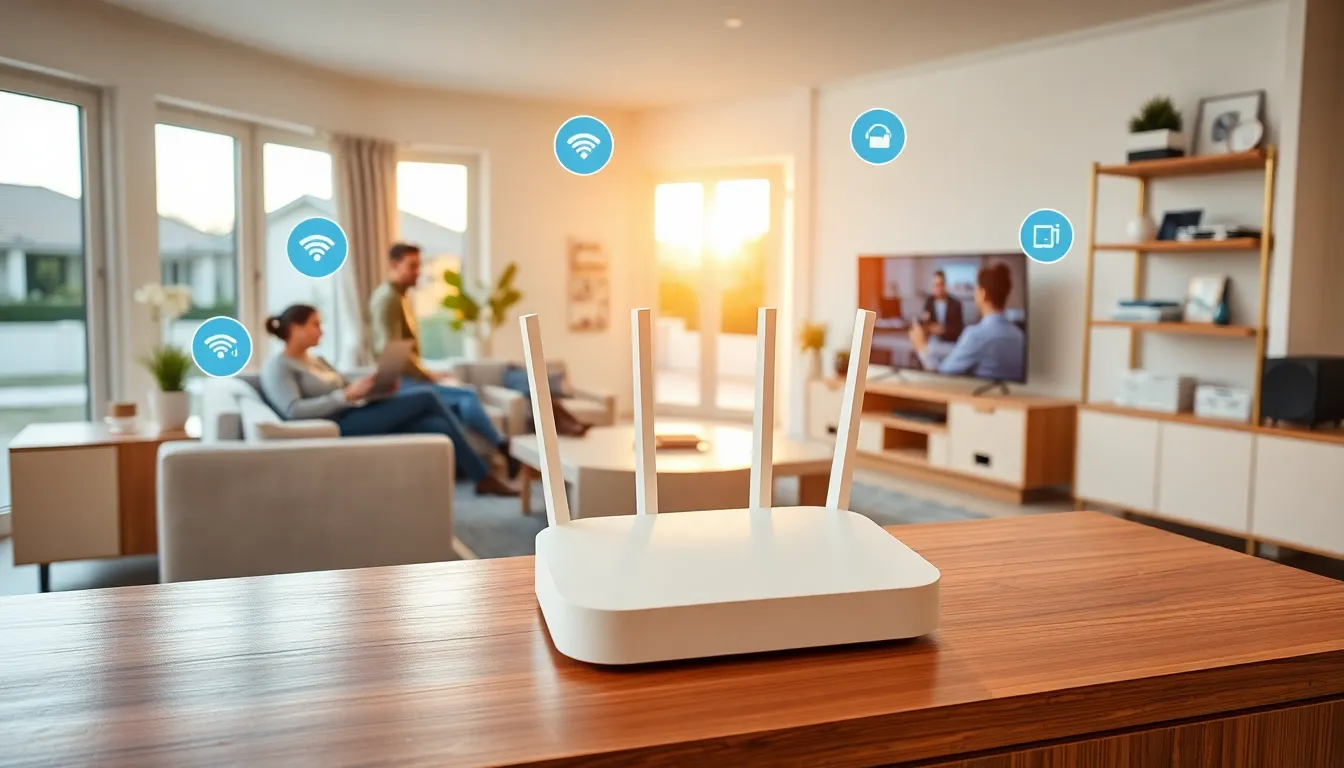
Home networking trends 2026 will reshape how households connect, stream, and secure their digital lives. The average home now supports over 20 connected devices, and that number keeps climbing. Faster speeds, smarter management, and tighter security have become non-negotiable for modern households.
This year brings significant shifts. Wi-Fi 7 adoption will accelerate. AI will handle network optimization behind the scenes. Mesh systems will reach more homes than ever before. Privacy features will grow stronger, and the Matter protocol will finally deliver on its promise of seamless smart home integration. Here’s what consumers and tech enthusiasts should expect from home networking trends 2026.
Table of Contents
ToggleKey Takeaways
- Wi-Fi 7 will become mainstream in 2026, with prices dropping 30-40% and offering significantly lower latency for gaming, streaming, and remote work.
- AI-powered network management will automatically optimize bandwidth, prioritize devices, and troubleshoot issues without user intervention.
- Mesh networking adoption will exceed 45% of new router purchases, eliminating dead zones with affordable whole-home coverage under $300.
- Home networking trends 2026 emphasize built-in security features like WPA3 encryption, network segmentation, and privacy-focused data policies as standard.
- The Matter protocol will finally deliver seamless smart home integration, allowing devices from different brands to work together through your router.
- Routers are evolving into smart home hubs with local processing, ensuring connected devices work even when internet connectivity drops.
Wi-Fi 7 Becomes Mainstream
Wi-Fi 7 is no longer a premium-only feature. In 2026, this technology will hit mainstream price points and become the default standard in mid-range routers. The jump from Wi-Fi 6E to Wi-Fi 7 brings multi-link operation (MLO), which allows devices to send and receive data across multiple frequency bands at the same time. This means fewer dropped connections during video calls and smoother 4K streaming across multiple rooms.
Speeds matter, but latency matters more for many users. Wi-Fi 7 cuts latency significantly, a win for gamers, remote workers, and anyone tired of buffering. Theoretical speeds reach up to 46 Gbps, though real-world performance will land closer to 5-10 Gbps in typical home setups. Still, that’s a massive improvement.
Major router manufacturers have already released Wi-Fi 7 devices, and 2026 will see prices drop by 30-40% compared to early adopters paid in 2024. Smartphones, laptops, and tablets supporting Wi-Fi 7 are now common. Home networking trends 2026 show that upgrading to Wi-Fi 7 makes practical sense for households with heavy bandwidth demands.
The Rise of AI-Powered Network Management
AI has entered the router. Home networking trends 2026 feature AI-powered network management as a core selling point across product lines. These systems learn household usage patterns and adjust bandwidth allocation automatically. No more manual prioritization or fiddling with QoS settings.
What does this look like in practice? The router notices a video conference starting and shifts bandwidth priority. It detects a gaming session and reduces latency for that device. When the kids start streaming after school, it balances resources without intervention.
AI also handles troubleshooting. Modern routers can identify connection issues, restart specific components, and even suggest hardware placement changes based on signal strength data. Some systems send alerts when unusual activity occurs, like a new device connecting or traffic patterns that don’t match normal usage.
Home networking trends 2026 show AI moving from a marketing buzzword to genuine utility. The best implementations run quietly in the background. Users get faster, more reliable connections without understanding how it works.
Mesh Networks and Whole-Home Coverage
Dead zones are becoming a thing of the past. Mesh networking systems have grown more affordable and easier to set up, making them a standard choice for multi-story homes and larger properties. Home networking trends 2026 point to mesh adoption reaching over 45% of new router purchases.
The technology has matured. Early mesh systems sometimes struggled with handoff, that awkward pause when moving between nodes. Current-generation mesh products handle transitions seamlessly. Users can walk from the basement to the backyard without a hiccup in their video stream.
Pricing has improved dramatically. Entry-level mesh kits now cost what a single premium router cost three years ago. Three-pack systems covering 5,000+ square feet are available under $300. Home networking trends 2026 favor these whole-home solutions over single-point routers.
Installation has gotten simpler too. Most mesh systems use smartphone apps that guide users through setup in under 10 minutes. Automatic channel selection, node optimization, and firmware updates happen without user input. The barrier to entry has dropped significantly.
Enhanced Security and Privacy Features
Security concerns have pushed manufacturers to build better protection directly into routers. Home networking trends 2026 include built-in threat detection, automatic firmware updates, and encrypted DNS as standard features, not premium add-ons.
WPA3 encryption is now the baseline. Many routers offer network segmentation, letting users isolate IoT devices from computers and phones. This limits damage if a smart device gets compromised. Guest networks have become more sophisticated, with time limits, bandwidth caps, and content filtering.
Parental controls have improved significantly. Current systems offer device-specific scheduling, content categories, and usage reports. Some routers integrate with subscription services that provide real-time threat databases and ad blocking at the network level.
Privacy features extend beyond security. Home networking trends 2026 show growing demand for routers that don’t collect usage data or sell it to third parties. Some manufacturers now market privacy as a primary feature, with clear policies about data handling. VPN integration at the router level allows households to encrypt all traffic without installing apps on individual devices.
Smart Home Integration and Matter Protocol Expansion
The Matter protocol is finally delivering on its promise. This open standard lets smart home devices from different manufacturers work together. Home networking trends 2026 show Matter support becoming a requirement rather than an option for connected products.
What this means practically: a Philips Hue light can be controlled by an Amazon Echo, Google Home, or Apple HomeKit, all using the same setup. No more juggling five different apps for five different brands. Routers now serve as Matter controllers, simplifying the smart home hub situation.
Thread networking, the wireless protocol that Matter often runs on, is built into many 2026 routers. This creates a dedicated low-power network for smart home devices, keeping them off the main Wi-Fi network and improving reliability.
Home networking trends 2026 position the router as the central nervous system of the connected home. Beyond internet access, routers manage smart locks, thermostats, cameras, and sensors. Integration happens at the network level rather than through cloud services, improving response times and reducing dependency on internet connectivity.
Local processing means a smart light still works even if the internet goes down. This shift toward local control represents a significant improvement in smart home reliability.


