
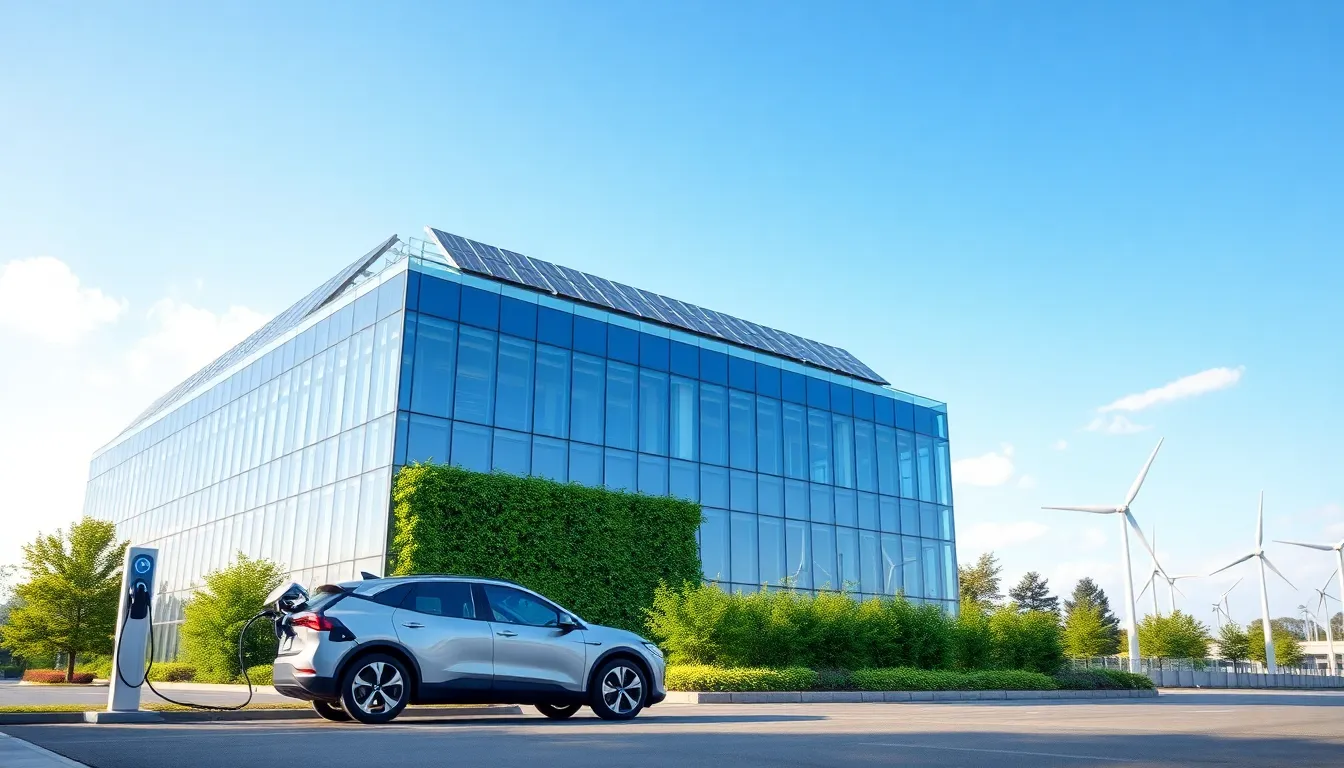
Top sustainable technology is changing how industries operate and how people live. From solar panels on rooftops to electric vehicles on highways, these innovations address climate change while creating economic opportunities. The global push for sustainability has accelerated research and development across multiple sectors. Companies and governments now invest billions in clean energy, green transportation, and eco-friendly agriculture. This article explores the most impactful sustainable technology innovations that are reshaping industries and building a cleaner future.
Table of Contents
ToggleKey Takeaways
- Top sustainable technology spans renewable energy, green transportation, agriculture, and smart systems to combat climate change while driving economic growth.
- Solar panel costs dropped 89% between 2010 and 2022, making clean energy more accessible to households and businesses worldwide.
- Electric vehicle sales exceeded 10 million units in 2022, with improved battery technology extending range and reducing charging times.
- Vertical farming uses 95% less water than traditional agriculture and eliminates pesticides while enabling year-round crop production.
- Smart thermostats and building management systems can reduce energy consumption by 10-15%, with AI-powered optimization boosting efficiency further.
- Green hydrogen, sustainable aviation fuel, and alternative proteins represent emerging sustainable technology solutions transforming multiple industries.
Renewable Energy Advancements
Renewable energy stands at the forefront of top sustainable technology developments. Solar power has seen dramatic cost reductions over the past decade. The price of solar panels dropped by 89% between 2010 and 2022, making clean energy accessible to more households and businesses.
Wind energy has also made significant strides. Offshore wind farms now generate electricity for millions of homes. These installations use larger turbines that capture more wind energy than their predecessors. Denmark, for example, generates over 50% of its electricity from wind power.
Battery storage technology has improved alongside renewable energy generation. Lithium-ion batteries store excess solar and wind power for use during peak demand periods. New battery chemistries, including solid-state designs, promise even greater efficiency and longer lifespans.
Hydrogen fuel cells represent another promising area. Green hydrogen, produced using renewable electricity, can power vehicles, heat buildings, and store energy. Several countries have announced national hydrogen strategies to scale this technology.
These renewable energy advancements form a critical foundation for sustainable technology adoption. They reduce dependence on fossil fuels and lower carbon emissions across the economy.
Green Transportation Solutions
Transportation accounts for roughly 16% of global greenhouse gas emissions. Green transportation solutions offer practical ways to reduce this environmental impact.
Electric vehicles (EVs) have moved from niche products to mainstream options. Major automakers now offer electric sedans, SUVs, and trucks. Global EV sales exceeded 10 million units in 2022, and projections suggest continued growth. Battery technology improvements have extended driving ranges while reducing charging times.
Public transit systems are also going green. Cities worldwide are replacing diesel buses with electric alternatives. Electric trains and trams powered by renewable energy reduce urban pollution significantly.
Sustainable aviation fuel (SAF) addresses emissions from air travel. Made from waste materials, plant oils, or captured carbon, SAF can reduce lifecycle emissions by up to 80% compared to conventional jet fuel. Airlines have begun blending SAF into their fuel supplies.
Shipping companies are testing ammonia and hydrogen-powered vessels. These zero-emission ships could transform global trade’s environmental footprint.
Top sustainable technology in transportation extends to infrastructure too. Smart traffic systems reduce congestion and idling. Charging networks for EVs continue expanding across highways and urban centers. These solutions work together to create cleaner mobility options for everyone.
Sustainable Agriculture Technology
Agriculture faces a dual challenge: feeding a growing population while reducing environmental harm. Sustainable agriculture technology provides solutions for both.
Precision farming uses sensors, drones, and GPS to optimize resource use. Farmers apply water, fertilizer, and pesticides only where needed. This approach reduces waste and prevents chemical runoff into waterways.
Vertical farming grows crops in stacked indoor layers. These facilities use 95% less water than traditional farms and eliminate the need for pesticides. They can operate year-round, regardless of weather conditions. Urban vertical farms also shorten supply chains and reduce transportation emissions.
Alternative proteins represent another breakthrough in sustainable technology. Plant-based meats and lab-grown proteins require far less land and water than conventional livestock. They also produce fewer greenhouse gas emissions. Consumer adoption of these products has grown steadily.
Regenerative agriculture practices restore soil health while sequestering carbon. Cover crops, crop rotation, and reduced tillage improve soil structure and biodiversity. Healthy soils hold more water and support more productive farms.
Bioplastics made from agricultural waste reduce packaging’s environmental impact. These materials break down faster than petroleum-based plastics and create markets for crop residues.
Energy-Efficient Smart Systems
Smart systems optimize energy use in buildings, cities, and industrial facilities. They represent a key category of top sustainable technology.
Smart thermostats learn occupancy patterns and adjust heating and cooling automatically. Studies show these devices reduce home energy consumption by 10-15%. When scaled across millions of buildings, the savings add up significantly.
Building management systems monitor and control lighting, HVAC, and electrical loads in commercial properties. They identify inefficiencies and make real-time adjustments. Some systems use artificial intelligence to predict energy needs and optimize performance.
Smart grids transform electricity distribution. They balance supply and demand across the network, integrate renewable sources smoothly, and reduce transmission losses. Consumers with smart meters gain visibility into their usage patterns and can shift consumption to off-peak hours.
Industrial facilities use smart sensors to monitor equipment health and energy consumption. Predictive maintenance prevents breakdowns and reduces waste. Process optimization software finds opportunities to cut energy use without sacrificing output.
Smart city infrastructure connects these systems at scale. Streetlights dim when streets are empty. Water systems detect leaks quickly. Waste collection routes adjust based on bin fill levels. These connected systems make urban areas more sustainable and livable.


